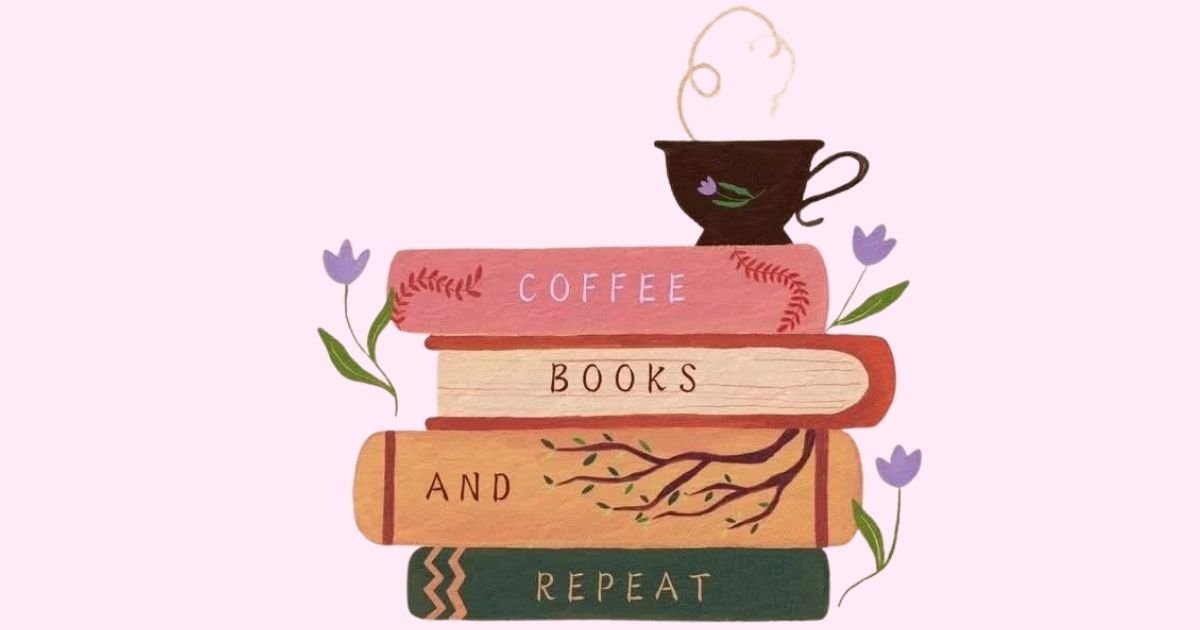
Imagine walking into a room filled with fellow book lovers and using unique nicknames for book enthusiasts that leave everyone in awe. Many modern readers overlook the classic bookish words that can beautifully describe their passion and improve selflove. This article will guide you through some of these enchanting terms, enriching your lexicon with book-related words that evoke imagery and nostalgia. Get ready to impress your fellow bibliophiles and enhance your literary discussions with vocabulary that reflects the true beauty of books.
Classic Bookish Words For Book Lovers
For book lovers, the right vocabulary can transform simple conversations into an exploration of literary joy and connection. In this article, we’ll share captivating bookish words, unique nicknames for book lovers, and beautiful words for book lovers that resonate deeply within the community.
Bookish
- book∙ish (adjective )
- Someone who’s so in love with books, they’d skip a party for a good chapter.
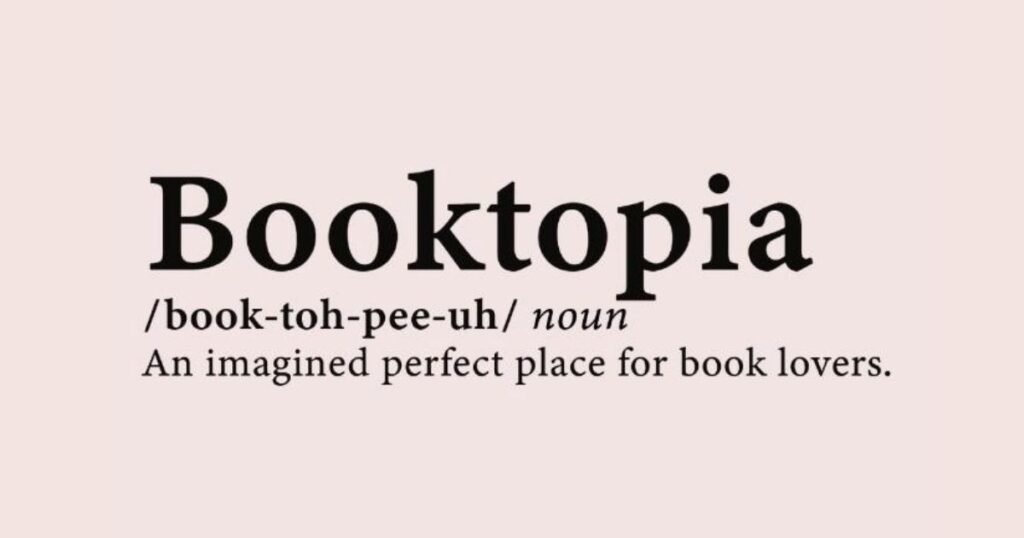
Booktopia
- Book·to·pi·a (noun)
- A dreamlike world for book lovers, where shelves are endless, stories never run out, and every corner feels like home.
Bibliophile
- Bib·li·o·phile (noun)
- A lover of books, or a books collector
- Someone who loves books so much, they’d happily trade a night out for one more chapter.
literari
- Lit·er·ar·i (noun)
- People who live and breathe literature the kind who find joy in deep discussions about books, authors, and ideas. Persons interested in literature or the arts
Bookworm
- book·worm (noun)
- a person unusually devoted to reading and study. Someone who always has a book in their bag, a story in their head.
Bookdragen
- Book·drag·on (noun)
- A fierce guardian of books, someone who hoards their collection, protects it fiercely, and isn’t keen on lending their treasures.
Bookwispherer
- Book·whis·per·er (noun)
- Someone who understands books on a deeper level the kind who always knows the perfect story to recommend.
Bibliolater
- bib∙li∙ol∙a∙ter (noun)
- a person who is overly devoted to books, Someone who worships books like sacred objects and treats every bookshelf like a shrine.
Bibliotheca
- bib∙lio∙the∙ca (noun)
- A collection of books, a list of books.
Homograph
- Hom·o·graph (noun)
- Words that are spelled the same but have different meanings—and sometimes even different pronunciations.
Hamartia
- ha·mar·tia (noun)
- A flaw in character that brings about the downfall of the hero of a tragedy.
Omnilegent
- Om·ni·le·gent (adjective)
- Someone who reads everything, across all genres, styles, and subjects with endless curiosity.
Bibliomania
- bib∙lio∙ma∙nia (noun)
- A beautiful obsession with collecting books where “just one more” is never enough.
Logophile
- Lo·go·phile (noun)
- A lover of words, someone who delights in learning, collecting, and playing with language.
Colophon
- col·o·phon (noun)
- An inscription at the end of a book or manuscript, usually with facts about its production.
Buckram
- Buck·ram (noun)
- The book’s secret bodyguard. A stiff, durable fabric used to cover books, giving them structure and protection.
Coinage
- coin·age (noun)
- A word or phrase that has been invented or newly created.
Coinage
- coin·age (noun)
- A word or phrase that has been invented or newly created.
Marginalia
- mar·gi·na·lia (noun)
- Notes, doodles, or comments scribbled in the margins of a book.
Florilegium
- flo·ri·le·gi·um (noun)
- A collection or anthology of literary excerpts or writings.
Aptronym
- ap·tro·nym (noun)
- A person whose name humorously fits their occupation or character, like a baker named Mr. Bun.
Bibliogenesis
- bib·lio·gen·e·sis (noun)
- The study of how books are created and how their history develops.
Dénouement
- dé·noue·ment (noun)
- The final resolution or conclusion of a story or dramatic work.
Imprimatur
- im·prim·a·tur (noun)
- Official approval, especially for a book’s publication.
Eutony
- eu·to·ny (noun)
- The pleasant and harmonious quality of a word’s sound.
Paragraphist
- par·a·graph·ist (noun)
- A writer who specializes in crafting paragraphs, especially for editorials.
Booklore
- book·lore (noun)
- Knowledge or facts about books, including their authorship and history.
Verso
- ver·so (noun)
- The lefthand page of an open book, opposite the recto.
Word-stock
- word–stock (noun)
- The complete vocabulary of a language, dialect, or individual speaker.
Bibliotherapy
- bib·lio·ther·a·py (noun)
- Using books and reading as a form of personal or therapeutic healing.
Wordie
- word·ie (noun)
- A person who loves words; a logophile.
Quilldriver
- quill·dri·ver (noun)
- An old term for a writer or scribe, sometimes used jokingly.
Conclusions
In conclusion, embracing classic and rare bookish words can enrich our conversations and deepen our appreciation for literature. These terms not only connect us with the past but also offer a unique way to express our thoughts and feelings in an increasingly digital world. By incorporating them into our everyday language, we invite a sense of nostalgia and sophistication that elevates our communication. Whether you’re discussing your latest read or sharing literary insights with fellow enthusiasts, using these words can spark curiosity and engagement